

Keeping the kitchen clean and hygienic is not just about appearances; it’s a fundamental part of maintaining a healthy home. The kitchen is where we prepare food for ourselves and our families, and it deserves the highest standards of care. A clean kitchen prevents the spread of bacteria, pests, and unpleasant odors and helps ensure that meals are safe. It's not enough to give it a quick wipe once a week; real kitchen hygiene demands daily attention, discipline, and respect for basic cleanliness principles. Good habits like washing hands before handling food, sanitizing surfaces regularly, storing ingredients properly, and immediately cleaning up spills create a welcoming and safe kitchen. By blending these time-honored practices with modern knowledge, we create kitchens that honor the past while protecting the future. In the kitchen, it’s where families gather, meals are prepared, and memories are made.
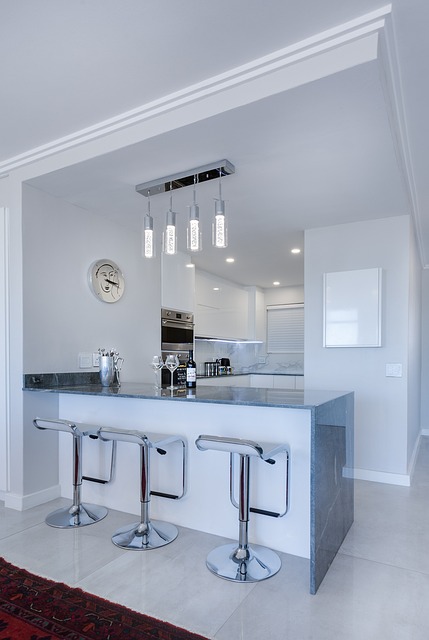
1. Clean as You Go
For keeping a kitchen clean and hygienic. It’s about cleaning up messes the moment they happen, not letting them pile up. When you chop vegetables, wipe down the board. Spill sauce? Finished with a bowl? Wash it or put it in the dishwasher immediately. This method keeps bacteria from building up, avoids cross-contamination, and makes end-of-day cleanup much easier. A clean kitchen isn’t just about appearances, it’s about safety, efficiency, and pride. Leaving messes to sit creates a breeding ground for germs and pests, and makes cleaning a bigger, more exhausting chore later. Good kitchens, whether at home or in professional settings, run on discipline and respect for the space. Clean as You Go honors those traditions while preparing you for a safer, faster, and more organized future in the kitchen. Clean as you go to prevent messes from piling up, making kitchen upkeep easier, faster, and more naturally disciplined.
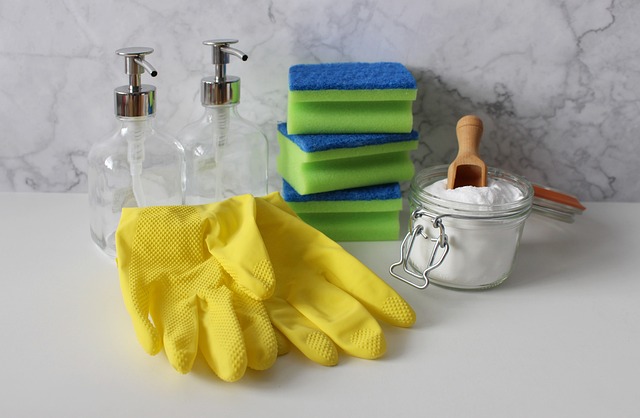
2. Clean Your Hands — Often
Keeping the kitchen clean and hygienic starts with your hands. As we know, always wash them before and after handling food, especially raw meat, fish, or eggs. Use warm water and soap, scrubbing for at least 20 seconds, making sure to clean under your nails and between your fingers. Dry your hands with a clean towel, not a used one hanging around. Avoid touching your face, hair, or phone while preparing food. Regular handwashing isn’t just old-fashioned advice; it’s basic common sense that’s stood the test of time. In a world rushing toward convenience, don’t forget the proven basics. Good hygiene starts with discipline, and a clean kitchen begins with you. You can't maintain a hygienic kitchen if you're walking around with bacteria-laden hands. Before handling food, after touching raw meat, and after every little interruption, "wash your hands properly" with soap and warm water.
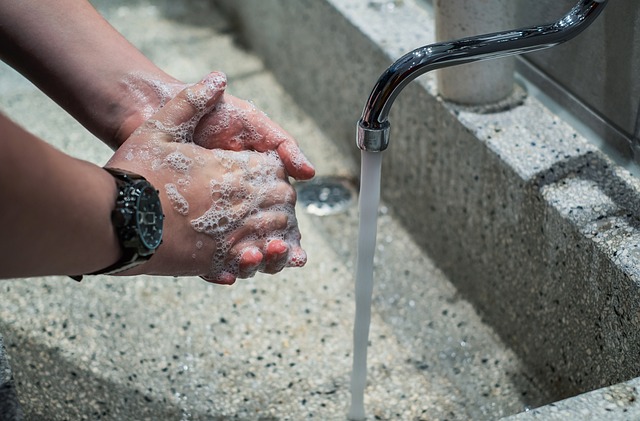
3. Respect the Cutting Boards
Firstly, for a clean and hygienic kitchen, use separate cutting boards for raw meat and vegetables. Additionally, Plastic boards for meat are best because they can be sanitized with hot water or a bleach solution. Wooden boards, if used correctly, are fine for fruits, bread, and veggies, but they must be scrubbed clean and dried thoroughly. Cross-contamination is real. Respect your cutting boards—they’re not just another surface. Always use separate boards for raw meat, vegetables, and cooked foods to prevent cross-contamination. Wash them thoroughly with hot, soapy water after each use, and sanitize them regularly. Wooden boards, trusted for centuries, need extra care: dry them completely to prevent bacterial growth. Plastic boards can be replaced when too worn. Respect your cutting board — use separate boards for meats and vegetables to avoid cross-contamination. Clean thoroughly after each use, sanitize regularly, and replace worn boards to protect your family’s health
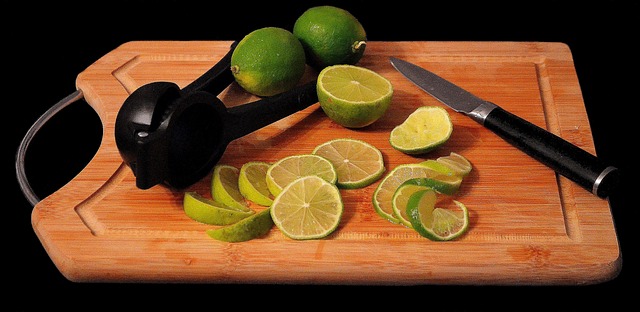
4. For a clean kitchen, "Don’t Let Food Sit Out"
For a truly clean and safe kitchen, don’t let food sit out. As a result, Bacteria grow fast at room temperature, especially between 40°F and 140°F—the “danger zone.” Always refrigerate leftovers within two hours, or even sooner if the kitchen is warm. Trust the old wisdom: fresh food is safe food. Therefore, cover dishes properly and store them right away. Being careless with food storage shows a lack of respect for your kitchen and the meals you work hard to prepare. Food left out at room temperature becomes a breeding ground for bacteria quickly. Additionally, two hours is the absolute maximum you should let food sit out (one hour if it’s a hot day). Store leftovers in airtight containers and refrigerate them promptly. It’s not being “paranoid.” It’s called not poisoning your family.
5. Choosing the Right Products for a Clean Kitchen
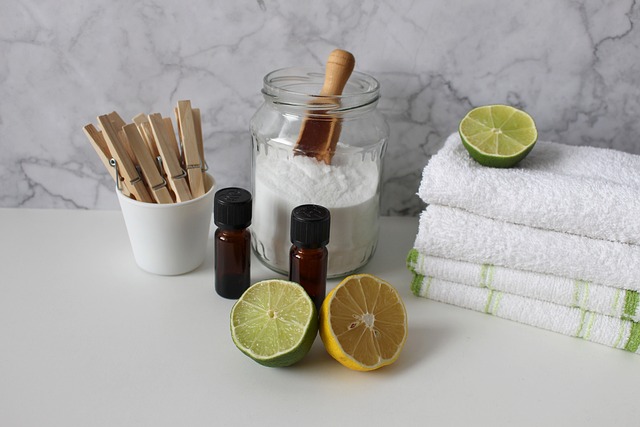
Choosing the right products is essential for a truly clean kitchen. Moreover, use antibacterial sprays for surfaces, degreasers for tough stains, and food-safe sanitizers for cutting boards and utensils. Natural options like vinegar and baking soda also work well. Always choose quality over convenience to maintain high hygiene standards. Also, Modern marketing will throw every chemical cleaner imaginable at you. Traditional cleaning agents like vinegar, baking soda, and lemon still stand the test of time, effective, safe, and affordable. As a result, choosing the right products for a clean kitchen means balancing tradition with smart choices. Stick to reliable basics like vinegar, baking soda, and bleach for tough cleaning jobs. Use gentle, food-safe cleaners on countertops and cooking surfaces. Avoid harsh chemicals where food is prepared. Well-chosen products protect your kitchen, your health, and maintain the high standards a good home deserves.
6. Deep Cleaning Routines for a Kitchen: Clean and Hygienic
Deep cleaning routines are vital for keeping a kitchen truly clean and hygienic. Start by emptying cabinets and wiping them inside and out. Scrub countertops, backsplashes, and sinks with disinfectant. Clean appliances thoroughly — including the oven, refrigerator, and microwave — paying attention to hidden grime. Wash garbage bins and disinfect high-touch areas like handles and light switches. A true deep clean, done monthly, prevents the buildup of bacteria and pests, keeping your kitchen safe, efficient, and a place of pride. Beyond daily cleaning, a weekly and monthly deep clean is necessary. You can't just "spot clean" and expect long-term results. Pull out the fridge and stove to sweep and mop underneath. Sanitize sinks and faucets with bleach solution. Replace old sponges and wash cloths. Finally, mop floors with hot water and disinfectant. Tradition teaches that a clean kitchen protects your family’s health, and that’s still true today.
7. Sanitize, Don’t Just Clean
After wiping counters, sanitize them with a food-safe disinfectant. Hot water alone isn't enough, you need chemical help here. Wouldn't you let your surgeon "rinse" their tools and call it a day? In the kitchen, cleaning alone isn’t enough; you must sanitize to truly protect your space. Cleaning removes dirt, grease, and food particles, but sanitizing kills the invisible germs that cause foodborne illnesses. After wiping down surfaces, always follow up with a food-safe sanitizer, especially on countertops, cutting boards, and utensils. Focus on high-touch areas like fridge handles, faucet taps, and drawer pulls. Proper sanitizing upholds the timeless kitchen value of protecting those we feed, ensuring your kitchen is both spotless and truly hygienic. Use disinfectants on surfaces, handles, and sinks to ensure a truly hygienic, safe kitchen environment for your family.
8. Use Proper Waste Management
Garbage breeds flies, smells, and worse. Keep a lid on trash bins, change liners frequently, and wash out the bins themselves. Compost if you like, but keep compost bins clean and emptied regularly. Proper waste management is crucial for maintaining a clean and hygienic kitchen. Food scraps, packaging, and general kitchen waste must be handled quickly and correctly to prevent bad odors, pest infestations, and the spread of bacteria. Always separate food waste, recyclables, and general trash into the right bins. Use bins with tight-fitting lids and empty them daily — don’t wait until they overflow. Clean and disinfect the bins regularly, not just when they start to smell. Respecting waste management isn't just common sense; it's an essential part of honoring the kitchen as the heart of the home. Proper waste management prevents pests, controls odors, and keeps your kitchen clean, hygienic, and respectful of your living space.
9. Maintain a Simple, Functional Layout
A simple, functional kitchen layout makes cleanliness and hygiene much easier to maintain. Keep frequently used items like utensils, cutting boards, and cleaning supplies within easy reach. Clear countertops of unnecessary clutter to allow for easy wiping and sanitizing. Arrange appliances and workstations logically, for example, keeping the sink near the prep area for quick cleanups. A kitchen that follows the "less is more" philosophy looks neat and supports daily habits that preserve order, cleanliness, and the timeless standard of a well-run home. Keep your kitchen layout functional: clear counters, organized drawers, and easy access to cleaning supplies. When everything has a place, it’s easier to maintain order and spot a mess before it becomes a health hazard. A simple, functional kitchen layout ensures easy cleaning, efficient workflow, and preserves the traditional spirit of order and practicality.
10. Training the Family for a Kitchen Clean and Hygienic
Training the family to keep the kitchen clean and hygienic is essential for lasting success. Everyone who uses the kitchen should understand basic rules: wash hands before handling food, wipe down surfaces after use, and clean spills immediately. Teach children early about putting dishes straight into the sink or dishwasher and not leaving food scraps out. Assign simple daily tasks like wiping counters or taking out the trash to build responsibility. A kitchen stays clean when it’s a shared effort, not a one-person job. Children should be taught early to wipe counters, wash hands before handling food, and respect the kitchen as a sacred space. Raising the family to maintain a clean kitchen means setting clear routines, assigning responsibilities, and teaching respect for shared spaces, values that build discipline, pride, and lasting good habits.
Final Thoughts
In conclusion, A clean and hygienic kitchen doesn’t happen by accident. It takes old-fashioned hard work, attention to detail, and respect for the traditions that have kept homes safe for generations. But it’s not about living in the past either, it’s about applying those enduring principles with the best tools and knowledge available today. Don’t just aim for a kitchen that looks clean, aim for one that is clean, down to the smallest detail.. Keeping the kitchen clean and hygienic isn’t just about appearances’s about protecting your home and health. Stick to a daily routine of wiping surfaces, washing dishes immediately, and sweeping floors. Store food properly and take out the trash before it overflows. As a result, Good habits, rooted in traditional wisdom, prevent bigger problems down the line.
