
Introduction
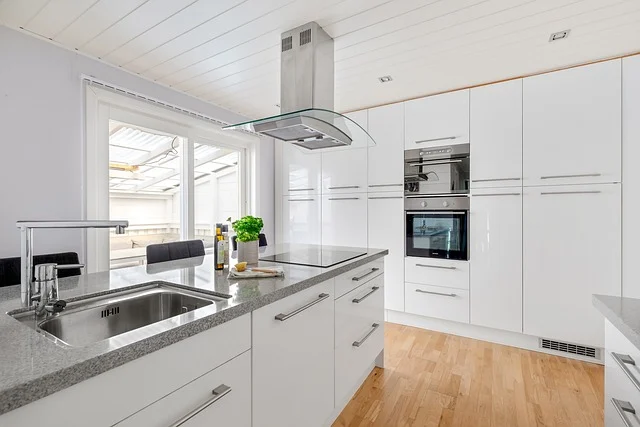
Kitchen appliances are the backbone of a well-functioning home, blending tradition with modern convenience. For generations, essential tools like stoves, refrigerators, and mixers have made daily cooking and food preservation possible. Today, innovation pushes these classics forward with smarter, more efficient designs, yet their purpose remains rooted in age-old domestic needs: to nourish, to gather, and to create. The kitchen is often considered the heart of the home, a space where meals are created, conversations happen, and memories are made. Choosing the right appliances for your kitchen is crucial to ensure it runs smoothly and supports your cooking and lifestyle needs. With many brands, models, and features available today, making the right choices can feel overwhelming. This guide offers a clear, mistake-free, and practical approach to choosing kitchen appliances that suit your space, budget, and daily use.

1. Start with a Clear Plan for kitchen appliances
Starting with a plan for kitchen appliances is essential for a functional and efficient space. Before buying anything, consider your cooking habits, kitchen layout, and budget. Measure available space carefully—don’t rely on guesswork. Prioritize essential appliances like the refrigerator, stove, and oven, then build around them. Think about energy efficiency, long-term maintenance, and how each appliance fits into your daily routine. Avoid trendy gadgets that may collect dust. A well-thought-out plan ensures every appliance serves a purpose and complements your lifestyle. Planning saves money, prevents clutter, and helps you create a kitchen that works for you, not against you. Before you start shopping, step back and evaluate your kitchen layout and cooking habits. Start with a clear plan for your kitchen by prioritizing essential appliances and organizing workspaces.
.
2. Essential Appliances for the kitchen: First focus
Essential kitchen appliances form the foundation of a well-functioning kitchen. At the core are the refrigerator, stove, and oven—critical for storing and preparing meals. A microwave adds convenience for reheating and quick cooking, while a dishwasher saves time and effort on cleanup. A good range hood helps ventilate cooking fumes. Smaller but vital appliances include a toaster or toaster oven, a blender or food processor, and an electric kettle or coffee maker, depending on your daily habits. Choosing reliable, energy-efficient models ensures long-term value. These basics cover the needs of most households, keeping the kitchen practical without unnecessary clutter or gimmicks. Start with the essentials and invest in quality. These appliances are used daily and should last for years with minimal issues. The five core kitchen appliances include: Microwave, Dishwasher, Ventilation hood, and Refrigerator. Focusing on these core appliances provides a solid foundation for your kitchen.
3. Selecting(appliances) the Right Refrigerator
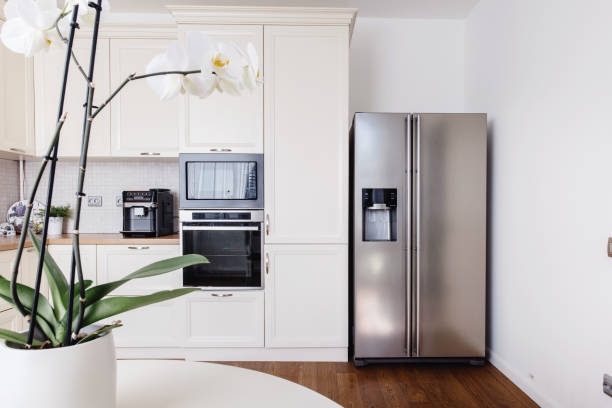
The right refrigerator starts with understanding your kitchen space and household needs. Measure the available area, including door clearance, and choose a size that suits your storage habits. Top freezer models are traditional and budget-friendly, while bottom freezer and French door styles offer easier access and more room. Consider energy efficiency—look for ENERGY STAR ratings to save on utility bills. Think about features like adjustable shelves, water dispensers, and smart technology, but don’t be swayed by flashy extras unless they truly add value. A good refrigerator should be reliable, easy to maintain, and suit your lifestyle for years. The refrigerator is the most frequently used kitchen appliance.
4. Choosing kitchen appliances: a Range, Cooktop, and Oven
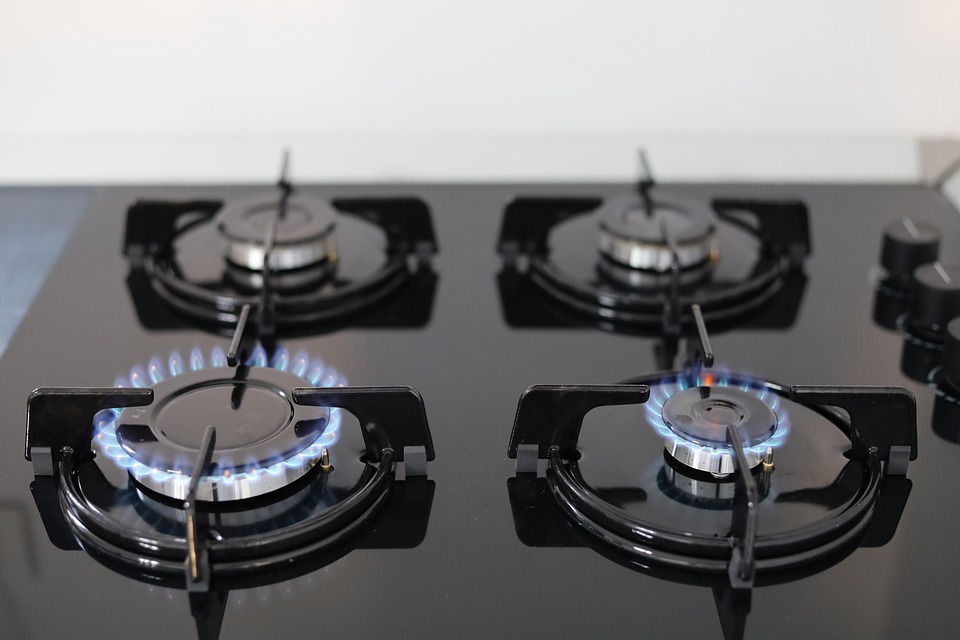
Choosing the right range, cooktop, and oven depends on your cooking style, kitchen layout, and budget. A range combines a cooktop and oven in one unit, ideal for compact kitchens. Separate cooktops and wall ovens offer flexibility and ergonomic benefits, especially for custom layouts. Gas cooktops provide precise heat control, while electric and induction options offer smoother surfaces and modern features. Ovens come in convection or conventional models—convection cooks faster and more evenly. Always consider size, power source, and energy efficiency. Stick to trusted brands known for durability. Avoid overpaying for features you’ll rarely use; focus on performance and reliability first. You can choose a freestanding range (all-in-one unit) or separate cooktop and wall oven combinations for a more customized layout. Your decision here should reflect your cooking style and kitchen design:
- Gas: Instant heat control, preferred by chefs.Gas has been a trusted source of power in the kitchen. Gas in the kitchen provides instant heat control for cooking.
- Electric: Easier to clean and often more affordable.Electricity in the kitchen powers essential appliances like ovens, refrigerators, and mixers, making cooking efficient, safe, and reliable daily.
- Induction: Fast, safe, and energy-efficient, but requires compatible cookware.Induction in the kitchen uses magnetic fields for fast, efficient, and precise cooking with minimal heat loss.
5. Microwave: Simple and Efficient(kitchen appliances)
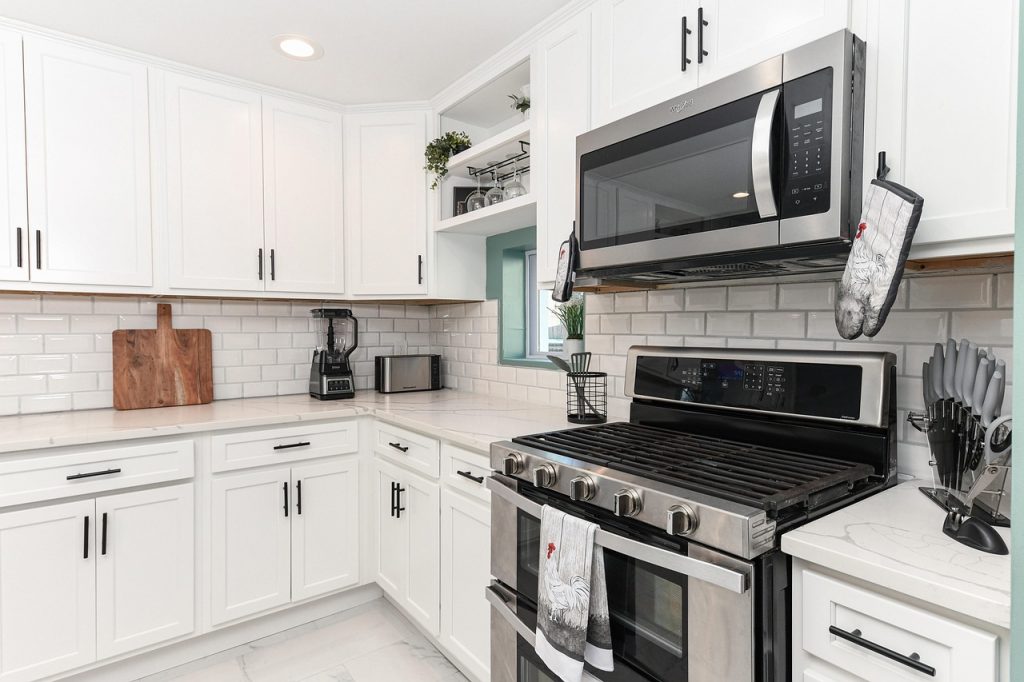
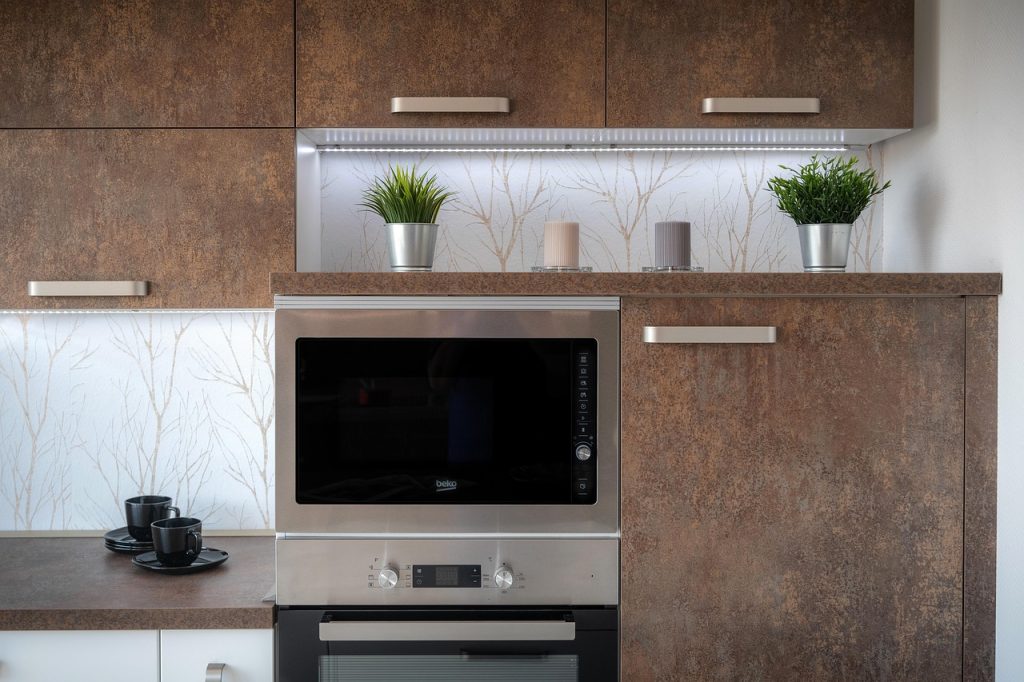
A microwave is one of the simplest and most efficient kitchen appliances, ideal for quick reheating, defrosting, and even light cooking. It saves time and energy, making it a must-have for busy households. Compact models fit small spaces, while larger units offer extra features like convection or grill functions. When choosing one, look at wattage—higher means faster cooking. Stick to what works—no need for overcomplicated smart features unless you truly need them. The microwave is a kitchen staple. Avoid overpaying for advanced tech features unless they genuinely add value to your routine. Choose the right type for your needs:
- Countertop: Easy to install and move. A kitchen countertop provides a durable, essential workspace for food preparation, cooking tasks, and everyday kitchen activities.
- Built-in: Saves space but costs more.A built-in kitchen features seamlessly integrated appliances and cabinetry, maximizing space, efficiency, and creating a clean look. These appliances create and enhance the overall aesthetic of modern kitchens.
- Over-the-range: Combines a microwave and a vent hood. Over-the-range units in the kitchen combine ventilation and microwave functions, saving space and improving cooking efficiency.
6. Dishwasher: Choose Quiet and Effective Models
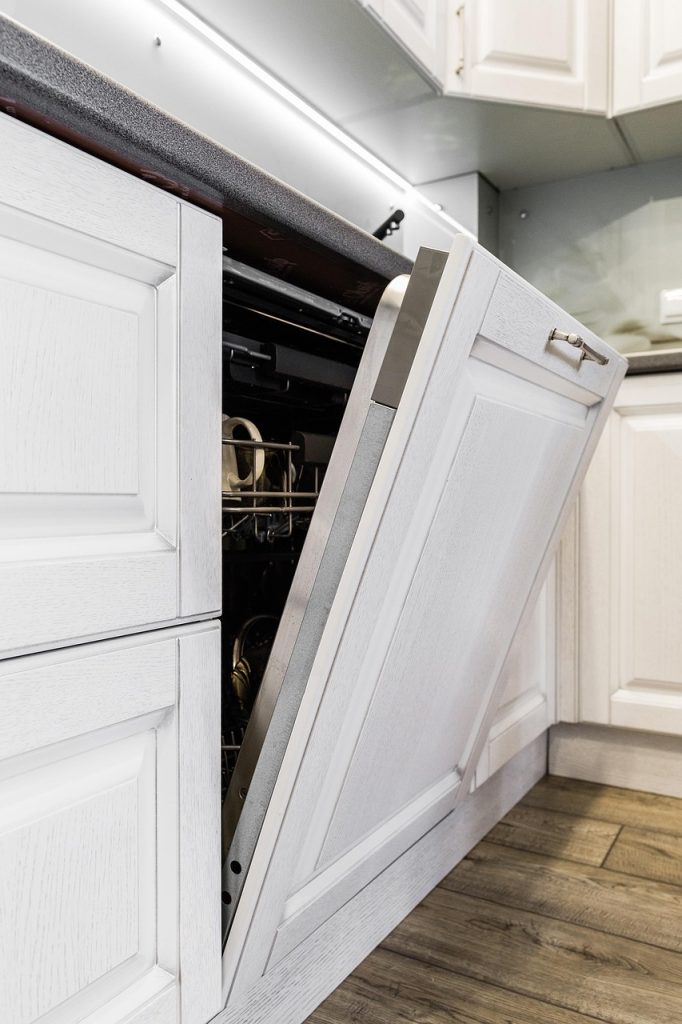
When you choose a dishwasher, focus on quiet operation and effective cleaning performance. Look for models with a decibel rating under 50 dB—these are quiet enough not to disrupt conversation. Adjustable racks and multiple spray arms enhance flexibility and thorough cleaning. ENERGY STAR-rated models save water and electricity over time. Avoid getting caught up in fancy settings you won’t use; instead, prioritize strong wash cycles and reliable performance. A reliable dishwasher saves time, water, and energy. Check repair and maintenance ratings before making a final decision. Modern dishwashers offer advanced features like energy efficiency, adjustable racks, third racks, smart connectivity, and powerful cleaning cycles, making dishwashing faster, easier, and more convenient for today’s busy kitchens. Modern dishwashers are more efficient and quieter than ever.
Must-have features:
- Stainless steel interior for durability, resisting rust, stains, and heat in busy kitchen environments. Stainless steel in the kitchen also provides a sleek, modern look while lasting for years.
- Adjustable racks and third rack options maximize dishwasher space, improving flexibility and cleaning efficiency. These rack options in the ability to allow for better organization.
- Energy Star certification ensures appliances meet efficiency standards, reducing energy consumption and lowering utility bills. While maintaining high performance and reliability in everyday use.
7. Ventilation: Don’t Overlook This Appliance

The ventilation is often underestimated but is essential for a clean and odor-free kitchen. Ventilation is often overlooked, but it's essential for a clean, safe kitchen. A good range hood removes smoke, steam, grease, and odors, improving air quality and keeping walls and cabinets free from residue. Ducted systems vent outdoors and are more effective than ductless ones, though installation may be more involved. Noise level matters too—look for quieter models if you cook frequently. Skipping proper ventilation may save money upfront, but it leads to long-term issues. Don’t cut corners here. Proper ventilation also helps protect cabinets and walls from grease buildup. Choose based on your cooking style and kitchen setup:
- Under-cabinet hoods: Under-cabinet hoods in the kitchen are mounted below the cabinetry, offering efficient ventilation to remove smoke, steam, and odors while maintaining a sleek, space-saving design.
- Wall-mounted hoods: Wall-mounted hoods in the kitchen provide powerful ventilation, stylishly removing smoke, grease, and odors from cooking.
- Island hoods: Island hoods in the kitchen offer modern style and efficient ventilation, maximizing headroom and cooking comfort.
8. Brand Reliability Matters
You can choose brands known for durability and excellent customer support. Research online reviews, warranty coverage, and service availability in your area.Brand reliability matters because kitchen appliances are long-term investments. Trusted brands have a track record of performance, durability, and customer service, which means fewer breakdowns and repairs over time. While cheaper, off-brand appliances might save you money upfront, they often cost more in maintenance and early replacement. Established brands also offer better warranties, access to replacement parts, and consistent build quality. Look for reviews, service ratings, and consumer reports before deciding. Reliability is worth more than gimmicks. Avoid lesser-known brands that lack customer service or spare part availability. It also provides better warranties, making them a smarter, more secure choice for essential kitchen appliances.
9. Think About Maintenance and Longevity
Look for appliances that are easy to maintain and have a good warranty. When choosing kitchen appliances, maintenance and longevity should be top priorities. Reliable appliances should be easy to clean, with accessible parts and clear user manuals. Avoid overly complex models that are difficult to service or require specialized technicians. Stainless steel finishes, removable components, and filter indicators are all signs of practical design. Regular maintenance—like cleaning filters or checking seals—extends lifespan and efficiency. Choose brands known for durability and readily available replacement parts. It’s not just about initial cost—appliances that last 10–15 years with minimal upkeep are a better investment than flashy models that fail early. Think long-term, not just trendy. Spending slightly more on a high-quality appliance saves money in the long run. Make sure:
10. Stick to Practical Features
Smart appliances can be convenient but often come with complications. Only invest in features that genuinely improve your kitchen experience. When selecting kitchen appliances, it's important to stick to practical features that truly enhance functionality. Avoid getting swayed by unnecessary extras or trendy technologies that complicate simple tasks. Focus on reliability, ease of use, and efficiency. For instance, choose a refrigerator with adjustable shelves or a dishwasher with multiple wash cycles tailored to your needs. An oven with a simple, intuitive interface is more useful than one loaded with gimmicks. Features like energy efficiency, durability, and ease of cleaning should be prioritized over aesthetics or unnecessary complexity. Remember, practicality always trumps fancy features that don’t improve daily performance. Avoid overpaying for advanced tech features unless they genuinely add value to your routine. Stick to practical features in kitchen appliances to ensure everyday functionality, ease of use, and long-term satisfaction.
Conclusion
Selecting the right kitchen. Regular maintenance can further extend their lifespan, making them more cost-effective over time. Whether upgrading or setting up a new kitchen, the goal should be to create a space that’s functional, efficient, and suited to your needs, without being overwhelmed by excessive gadgets. From refrigerators to dishwashers, ovens to microwaves, each appliance serves a distinct purpose and is designed to optimize kitchen functionality. It’s about choosing items that make your kitchen work better, last longer, and meet your needs day in and day out. With a clear plan, a practical mindset, and a focus on value and reliability, you can build a kitchen that supports your lifestyle for years to come.