

A home maintenance checklist is essential for keeping your house safe, efficient, and in top condition year-round. Moreover, your home is one of your greatest investments, and without regular upkeep, small problems can quickly turn into expensive disasters. Therefore, a structured checklist helps you stay on top of necessary repairs, seasonal tasks, and preventative measures. As a result, a solid maintenance plan ensures everything runs smoothly, from inspecting HVAC systems to cleaning gutters and checking smoke detectors. Whether you're a new homeowner or have lived in your house for years, using a clear home maintenance checklist will protect your property's value and your peace of mind. Even though a home, like anything worth having, requires attention and care. However, ignore the small issues today, and you’re setting yourself up for big, expensive problems tomorrow.
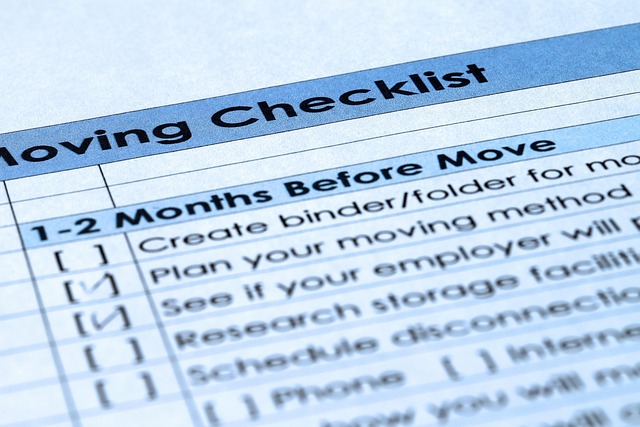
That's why every homeowner, whether you live in a brand-new build or a 50-year-old fixer-upper, should follow a clear, organized home maintenance checklist. Ultimately, not once a year. Even though, not when something breaks. But consistently, season after season.
Why a Home Maintenance Checklist Matters
A home maintenance checklist matters because it protects the health, safety, and value of your home. Moreover, small issues like leaks, drafts, or minor cracks can quickly escalate into costly repairs without regular upkeep. Then, most importantly, a consistent maintenance routine safeguards your family’s safety by addressing potential hazards early. However, the checklist helps homeowners stay organized, ensuring that critical tasks aren’t forgotten or delayed. Ultimately, Maintenance is about more than just appearances. For example:
- Protecting your investment: Regular home maintenance protects your investment by preventing costly damage, preserving property value, and ensuring your home remains safe and efficient. Because your home is likely your biggest financial asset overall, protect it.
- Saving money: On the other hand, routine home maintenance saves money by catching small issues early, avoiding expensive repairs, boosting energy efficiency, and extending appliance lifespan. Because regular upkeep costs far less than emergency repairs.
- Ensuring safety: Home maintenance ensures safety by identifying and fixing hazards like faulty wiring, leaks, structural damage, and malfunctioning smoke or carbon monoxide detectors. Therefore, faulty wiring, broken smoke detectors, and unstable structures are serious hazards.
- Preserving comfort: Preserving comfort through home maintenance means keeping your living spaces clean, efficient, properly insulated, and free from unexpected breakdowns or disruptions. Therefore, A clean, efficient home is a better place to live, period.
Monthly Home Maintenance Tasks
1. Inspect HVAC Filters
First, HVAC filters are crucial for maintaining good air quality and ensuring your heating and cooling systems run efficiently. Then Dirty or clogged filters restrict airflow, forcing your system to work harder, which increases energy costs and shortens its lifespan. Dirty filters choke your heating and cooling system, wasting energy and straining the motor.

2. Test Smoke and Carbon Monoxide Detectors
Then , don’t gamble with safety because test smoke and carbon monoxide detectors monthly to ensure they are functioning properly and protecting your home and family from danger.
3. Check Sinks, Toilets, and Pipes for Leaks.
After that, a slow drip can rot wood, cause mold, and rack up water bills. Regularly check sinks, toilets, and pipes for leaks to catch small drips early, prevent water damage, avoid mold growth, and save on costly repairs. Prompt attention protects your home’s structure and your wallet.
.
4. Clean Kitchen Sink Disposal
Clean your kitchen sink disposal monthly to prevent clogs, eliminate odors, and maintain smooth operation. Use ice cubes, citrus peels, or a disposal cleaner to break up buildup and keep the blades sharp. Finally, regular cleaning extends the life of the unit and keeps your kitchen smelling fresh and functioning efficiently.
5. Inspect Fire Extinguishers
Inspect fire extinguishers monthly to ensure they’re charged, undamaged, and accessible. Check the pressure gauge, pull pin, and nozzle. If anything looks off, replace or service it immediately. As we know, Fire safety starts with being prepared.
Quarterly Home Maintenance Tasks
1. Flush Drains with Vinegar and Hot Water
First, prevent clogs before they form. Flush drains with vinegar and hot water quarterly to prevent clogs, eliminate odors, and maintain smooth drainage in your home. Also, pour one cup of vinegar down the drain, let it sit for 15 minutes, then flush with boiling water for a clean, fresh-smelling result.
2. Test Garage Door Auto-Reverse
Then, test the garage door auto-reverse feature quarterly to ensure safety; the door should reverse immediately when obstructed during closure. If it doesn’t, adjust the settings or contact a professional for immediate repair. In other words, "Safety shouldn't be optional".
3. Inspect Exterior Drainage
Inspect exterior drainage regularly to ensure water flows away from the foundation, preventing potential damage and water intrusion into your home. Then check gutters, downspouts, and the grading around your house. Look for pooling water or erosion signs. As a result, proper drainage prevents basement leaks, foundation damage, and costly repairs.
4. Check Grout and Caulking
Check grout and caulking regularly for cracks or gaps, as damaged areas can allow water to seep behind walls, causing mold and structural issues. Damaged areas can lead to water leaks and mold growth. Repair or replace as needed to maintain a clean, sealed surface and prevent costly water damage. Repair or replace as needed to maintain a clean, sealed surface and prevent costly water damage.
Biannual Home Maintenance Tasks
1. Inspect the Roof and Gutters
Inspect your roof and gutters regularly for damage, debris, or blockages to prevent water damage, leaks, and costly repairs. Clear leaves and debris to ensure proper drainage. Early detection of wear prevents leaks and costly repairs, protecting your home from water damage and extending the roof’s lifespan.
2. Service Heating and Cooling Systems
Service heating and cooling systems annually to ensure efficiency, extend lifespan, and avoid unexpected breakdowns during extreme weather conditions. Professional maintenance prevents breakdowns, improves air quality, and keeps your home comfortable year-round by identifying and addressing issues before they become costly repairs.
3. Deep Clean the Home
Deep clean your home twice a year to keep it clean the home to eliminate dirt, allergens, and bacteria from hard-to-reach areas. Thorough cleaning improves indoor air quality, restores surfaces, and creates a healthier living environment. It also enhances comfort, appearance, and sets the foundation for regular upkeep.
4. Inspect Foundation and Crawlspaces
Look for cracks, moisture, pests, and insulation problems. Inspect your foundation and crawlspaces twice a year for cracks, moisture, pest infestations, and insulation problems. Early detection of these issues can prevent serious structural damage, costly repairs, and unhealthy living conditions. Addressing small problems promptly ensures your home remains stable, dry, and safe for years to come.
Annual Home Maintenance Tasks
1. Drain the Water Heater
Drain the water heater annually to remove sediment buildup that reduces efficiency and can damage the tank. Flushing a few gallons from there, then turn off the power or gas supply, attach a hose to the drain valve, and direct it to a safe drainage area.
2. Clean Dryer Vent
Clean the dryer vent annually to prevent lint buildup, reduce fire risk, improve dryer efficiency, and extend the life of your appliance. Deep clean the home to eliminate dirt, allergens, and bacteria from hard-to-reach areas. As a result, thorough cleaning improves indoor air quality, restores surfaces, and creates a healthier living environment.
3. Service Chimney and Fireplace
First, service your chimney and fireplace annually to remove dangerous creosote buildup, prevent chimney fires, and ensure safe, efficient operation. Then hiring a professional sweep keeps the system clean, identifies structural issues early, and protects your home from fire hazards and carbon monoxide exposure.
4. Trim Trees and Shrubs Away from the House
Trim trees and shrubs away from the house to prevent roof and siding damage, reduce pest access, and maintain proper airflow around your home. As we know, overgrown branches damage roofs and siding and provide easy access for pests.
5. Pressure Wash Siding, Driveways, and Patios
Pressure wash siding, driveways, and patios annually to remove dirt, mold, and mildew buildup, enhancing your home’s appearance and preventing long-term surface damage. As a result, regular cleaning also helps maintain property value.
6. Check Windows and Doors for Drafts
Check windows and doors for drafts annually to improve energy efficiency, lower utility bills, and maintain indoor comfort. Sealing leaks with weatherstripping or insulation prevents heat loss in winter and keeps cool air inside during summer, protecting both your wallet and your home's comfort.
Every Few Years
1. Repaint Exterior
First, repaint your home’s exterior every 5–10 years to protect surfaces from weather damage, maintain curb appeal, and extend the life of siding. Ultimately, refresh your home’s look with a clean, durable exterior repaint. Boost curb appeal, protect surfaces, and add lasting value.
2. Reseal Decks and Outdoor Wood Structures
Reseal decks and outdoor wood structures every 2–4 years to prevent moisture damage, rot, and UV deterioration, preserving their strength and beauty. Protect and extend the life of decks and wood structures. Resealing prevents water damage and enhances natural wood beauty.
3. Replace Major Appliances as Needed
Replace major appliances when outdated or inefficient to improve energy use, performance, safety, and maintain your home's overall functionality and value. Upgrading to modern, energy-efficient models enhances performance, lowers utility bills, and adds value to your home over time.
Forward-Looking Tips for Smarter Home Maintenance
For smarter home maintenance, planning is key to preserving your home’s value and minimizing costly repairs. Start by creating a maintenance calendar, scheduling tasks monthly, quarterly, and annually to stay on track and avoid overlooking important tasks. This helps ensure that all necessary inspections and repairs are performed regularly. Next, keep a maintenance log to document repairs, services, and upgrades. This record can be invaluable for future repairs, insurance claims, or when selling your home, as it shows the care and upkeep you’ve invested. Set aside a maintenance budget by saving 1–3% of your home’s value annually. This emergency fund will help cover unexpected repairs, ensuring you're financially prepared when something breaks down. Finally, know when to hire professionals. While DIY repairs can save money, certain tasks, like electrical or major plumbing work, require expert attention.
Final Thoughts: Take Stewardship Seriously
In conclusion, a thorough home maintenance checklist is essential for preserving the value, safety, and comfort of your home. Regular inspections and timely repairs prevent costly damage and ensure everything functions as it should. From seasonal tasks like gutter cleaning and HVAC servicing to monthly checks on plumbing and electrical systems, consistency is key. Staying proactive not only extends the life of your property but also gives peace of mind. While it may feel tedious, routine upkeep reflects responsible ownership. Remember, a well-maintained home is a sound investment—both for your finances and your family’s well-being. Don’t delay—start today. A house isn’t just a purchase — it’s a commitment. With steady, consistent care, you preserve not just a structure, but a way of life. A well-maintained home offers security, pride, and lasting value. Neglect it, and you invite costly problems and regrets.