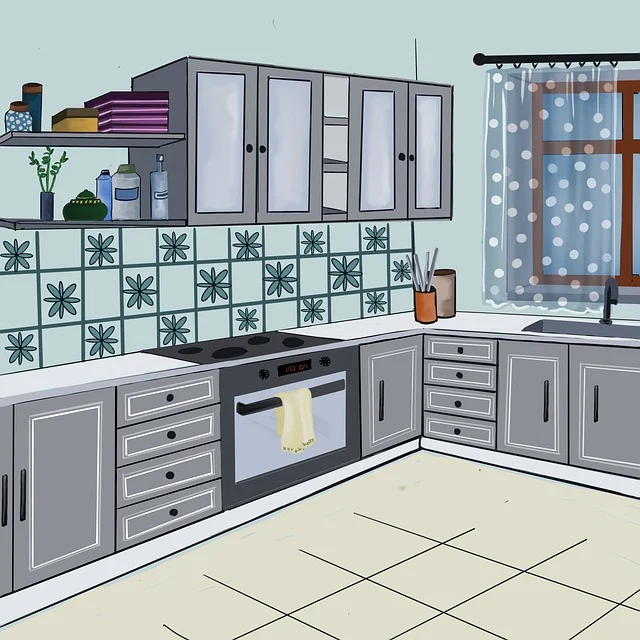

Home Kitchen Safety: Top Strategies to Keep Your Cooking Space Safe
Kitchen safety is needed in every home. Delicious meals are prepared in a kitchen, and family memories are created. Yet, the kitchen is one of the most dangerous places in the house with risks of fires, sharp objects, and accidents. While cooking, these measures can deter injuries and promote a safe kitchen environment for all. The kitchen is often considered the heart of the home, but it can also be one of the most hazardous areas if proper safety precautions are not followed. From sharp knives and hot stoves to electrical appliances and food handling, numerous risks can lead to accidents or foodborne illnesses. Understanding and practicing kitchen safety not only helps prevent injuries but also ensures a clean and healthy cooking environment.

Kitchen Fire — What to Avoid to Prevent Fires and Burns
Fire is the biggest threat in the kitchen. Keep paper towels, dishcloths, and wooden utensils away from flames or hot stovetops to help reduce the risk of kitchen fires. Never leave cooking unattended, particularly when frying with oil, as grease fires can escalate rapidly. Make sure your kitchen has an operational fire extinguisher, and everyone in the household knows how to use it. If you have a grease fire, don’t pour water on it—cover the flames with a metal lid or sprinkle baking soda on the fire. To prevent kitchen fires, always stay attentive while cooking and never leave food unattended on the stove. Keep flammable items like paper towels, dishcloths, and cooking oils away from heat sources. Regularly clean grease buildup from stovetops, ovens, and exhaust fans to reduce fire risks.
Stay Safe with Your Kitchen Knives: How to Use Sharp Tools Safely
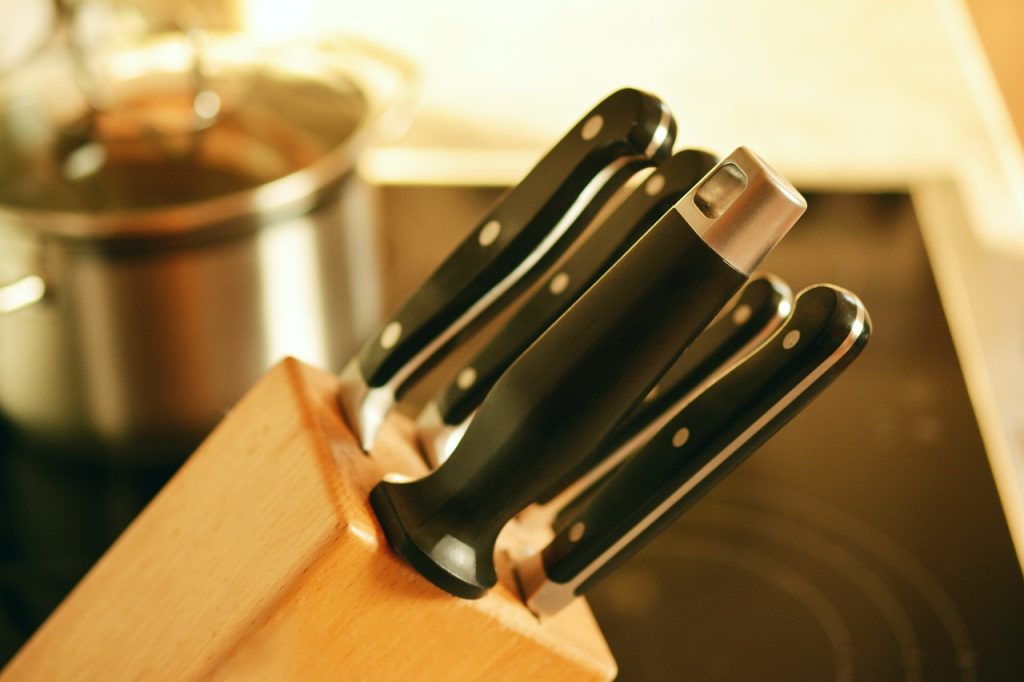
Knives are a necessary kitchen tool but have the potential to create serious injuries if not used appropriately. When chopping, always use a cutting board and keep fingers clear of the blade. Always store knives in a knife block or on a magnetic strip to avoid accidental cuts. Keep knives sharp, because dull blades take more force and are more likely to slip. And never leave knives in a sink full of water; someone could put a hand in there and get hurt. Always use a sharp knife, as dull blades require more force and can slip easily. Store knives properly in a knife block or magnetic strip, never loose in a drawer. When washing, clean knives carefully by hand—never leave them in a sink full of water.
Kitchen Appliance Safety: Responsible Device Usage
Kitchen appliances help us prepare meals more conveniently but can also prove dangerous if used improperly. Always read the manufacturer’s instructions when using a new appliance. Unplug small appliances—blenders, toasters, coffee makers—when you’re not using them. Never store electrical cords near heat or water; otherwise, you could be shocked or worse. If an appliance starts to spark, smoke, or become faulty, stop using it right away and have it checked by a professional. Keeping kitchen appliances safe ensures a long lifespan and prevents hazards. Always read and follow the manufacturer’s instructions for proper use. Unplug small appliances when not in use, especially before cleaning. Keep cords away from heat and water to prevent electrical shocks or fires. Regularly inspect appliances for frayed wires or malfunctioning parts and repair or replace them as needed. Clean appliances frequently to avoid grease buildup, which can be a fire risk.
Slips and Falls: Staying Safe on Your Kitchen Floor
Slips and falls are just two of the many kitchen accidents you can have, and they often occur after spills or when the floor is cluttered. Clean up spills promptly and lay down non-slip mats near sinks and cooking areas. Do not wear socks or loose footwear that might cause slipping. Make sure pathways are free of obstacles, such as bags, toys, or open cabinet doors, that can lead to trips and falls. Clean up spills immediately to avoid slippery surfaces. Use non-slip mats or rugs with grip backing to reduce the risk of tripping. Keep the floor free of clutter, ensuring pathways are clear. Regularly inspect for loose tiles or uneven flooring and repair them promptly. Wear non-slip footwear while cooking for extra stability. Proper lighting also helps identify hazards. By maintaining a clean and hazard-free floor, you can ensure kitchen safety.
Stay Watchful: Kitchen Child Safety
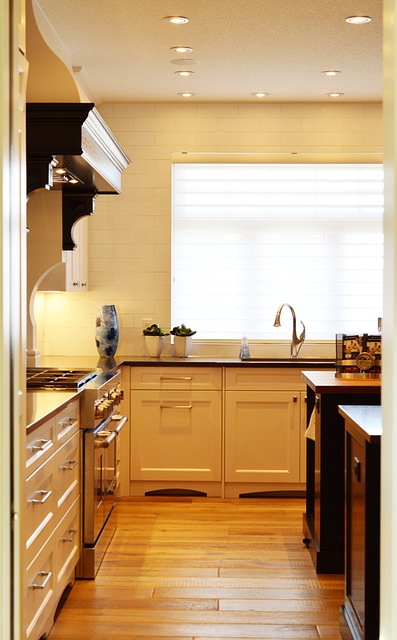
Take extra safety measures if children are in or around the kitchen. Attach stove knob covers to prevent burns, and keep hot pots and pans out of reach. Keep cleaning supplies, sharp tools, and heavy objects in locked cabinets or on high shelves. Keep children out of the cooking area unless they are being supervised, and teach them good kitchen habits, like washing hands before touching food and not touching the hot stove. Keeping your kitchen child-safe is essential to prevent accidents. Use stove knob covers and keep pot handles turned inward to prevent burns. Store small appliances, breakables, and cleaning supplies in high or locked areas. Cover electrical outlets and use non-slip mats to prevent falls. Never leave children unattended in the kitchen. Creating a safe environment ensures your child’s safety while cooking.

Kitchen Food Safety: Avoiding Contamination and Spoiled Food
Food safety is one vital part of kitchen safety. Wash hands thoroughly before and after handling raw meat, poultry, or seafood to avoid cross-contamination. Store perishable foods in the refrigerator at the correct temperature, and throw out expired products. To maintain a clean cooking environment, you must wash countertops, knives, and cutting boards regularly. Maintaining kitchen food safety prevents contamination and foodborne illnesses. Keep raw meats separate from cooked foods to avoid cross-contamination. Cook food thoroughly to kill harmful bacteria. Clean surfaces, utensils, and cutting boards regularly. Proper food handling and storage ensure a safe and healthy kitchen for you and your family.
First Aid in the Kitchen: Being Ready for an Emergency
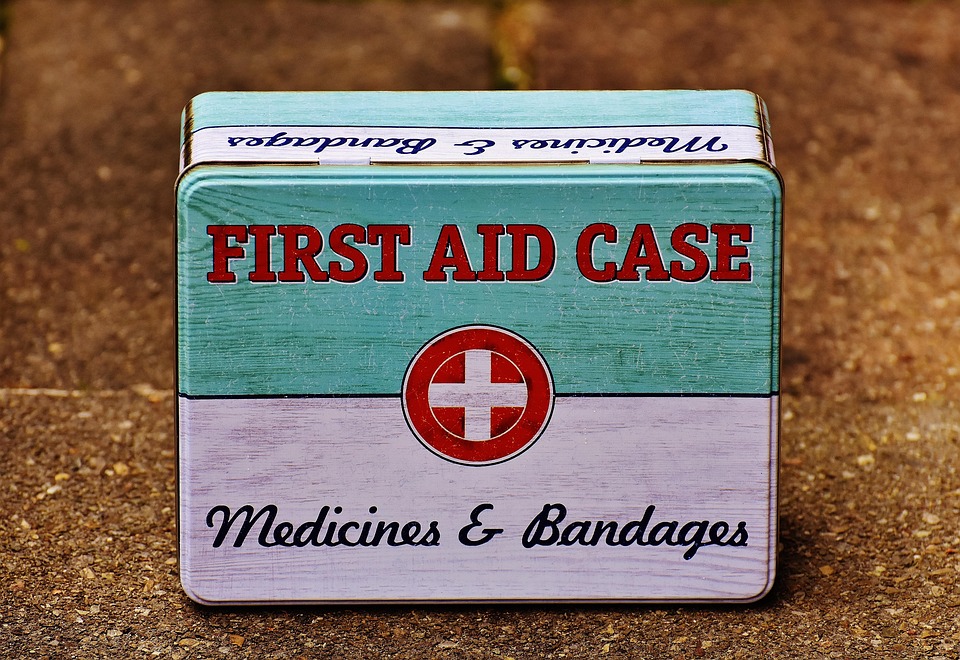
Even if you take every precaution, accidents can still happen in the kitchen. A well-stocked first aid kit can help in emergencies. Pack your kit with bandages, antiseptic wipes, burn cream, and pain relievers. Learn basic first aid skills such as treating minor cuts and burns. If a serious injury occurs, call for professional help immediately. A well-stocked first aid kit in the kitchen is essential for handling minor injuries. Store the kit in an easily accessible location but away from heat and moisture. Learn basic first aid techniques, such as treating burns with cool water and stopping bleeding with pressure. Regularly check and restock supplies to ensure readiness. Being prepared can help you respond quickly to kitchen accidents and prevent complications.
Bottom Line: Prioritize Kitchen Safety
A healthy and enjoyable kitchen starts with safety. You can minimize the risk of accidents in your home by implementing these kitchen safety tips and ensuring that your kitchen remains a safe space for you and your family. Simply being aware of fire hazards, using knives carefully, handling appliances properly, and maintaining good hygiene will help keep your kitchen a safe and welcoming place for everyone. Prioritizing kitchen safety prevents accidents and injuries. Always handle knives carefully, clean spills immediately, and keep flammable items away from heat. Use appliances correctly and store hazardous materials securely. Ensure proper ventilation and have a fire extinguisher nearby. A safe kitchen creates a worry-free cooking environment for everyone.
Conclusion
In conclusion, Kitchen safety is essential for preventing accidents and ensuring a safe cooking environment. By following basic safety measures such as handling knives properly, keeping surfaces clean, using appliances correctly, and being cautious around heat sources, you can minimize risks. Additionally, maintaining good hygiene and being prepared for emergencies, like knowing how to extinguish a grease fire, can further enhance kitchen safety. Prioritizing these practices will help create a safe and enjoyable cooking experience for everyone. Stay cautious, stay clean, and cook safely! 🍽️