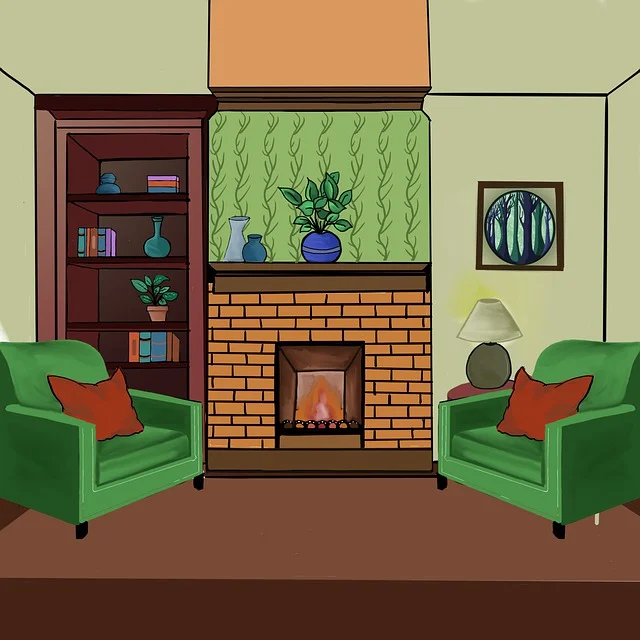

Living rooms can be both cozy and full of personality—if they’re designed thoughtfully. The key to creating a stylish, inviting space without making it feel cramped lies in smart design decisions, careful planning, and an eye for balance. If you’re working with limited square footage, here are effective and stylish ways to decorate your small living room without cluttering it. Your living room is the heart of your home—a place where comfort meets style. Making it attractive doesn’t mean filling it with expensive decor, but creating a space that feels warm, welcoming, and uniquely yours. With thoughtful choices in lighting, layout, colors, and personal touches, you can turn even the simplest room into a beautiful, inviting haven that draws people in and makes them want to stay.
1. Start with a Clear Vision
Before you move in any furniture or hang decor, take a moment to plan. Ask yourself how the space will primarily be used—will it be for relaxing, entertaining, working, or watching TV? Your answers will help guide your layout and furniture choices. Consider sketching a simple floor plan or creating a mood board to visualize how the elements will come together. Start by picturing exactly how you want your study room to feel. Do you need quiet, focus, and comfort? Maybe lots of natural light, a tidy desk, and a cozy chair. Also, think about what helps you concentrate and stay motivated. Use calm colors and keep things organized. When your space fits your needs and personality, it won’t just be a room—it’ll be your zone for learning and getting things done.
2. Choose the Right Furniture for a Living Room
Pick a study table that fits your space and helps you stay focused. Go for a solid desk with enough room to spread out, and a comfy chair that supports your back. Shelves or drawers are a bonus for keeping things tidy, so you don’t waste time searching for stuff. Scale is essential in small spaces. Avoid oversized sectionals or bulky furnishings. Instead, opt for sleek, compact pieces with clean lines. Sofas with exposed legs, armless chairs, and smaller coffee tables are ideal. Multi-functional furniture, such as ottomans with hidden storage or nesting tables, helps reduce clutter while adding practicality.
A helpful tip: leave a little space between furniture and the walls. Although it may seem counterintuitive, floating furniture can make a room feel more spacious and less boxed.
3. Use Light and Neutral Colors For a Living Room
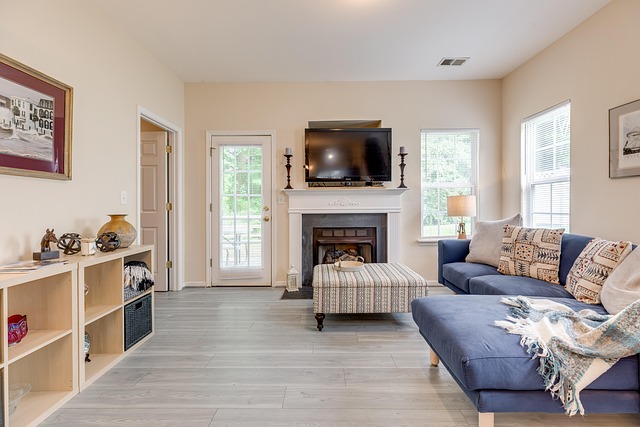
Lighter shades can make a room feel open and airy. Stick with soft whites, creams, light grays, and pastel tones for walls and large furniture pieces. These colors reflect light and visually expand space. Stick to light or neutral colors for your study table—like white, beige, or soft gray. They make the space feel calm and clean, not too busy or distracting. It also helps to make the room brighter and more airy, so you can stay relaxed and ready to focus. To prevent the room from feeling too bland, introduce pops of color with accessories such as cushions, throws, wall art, or rugs. These smaller items add personality without overpowering the room.
4. Maximize Natural Light For a Living Room
To make a small room feel larger, effectively utilize natural light. Opt for sheer curtains or light-colored blinds instead of heavy, dark drapes to let sunlight in. Additionally, mirrors should be strategically placed, such as across from windows, to reflect and amplify the natural light throughout the space. Maximize natural light in your living room by using sheer curtains, placing mirrors opposite windows, and choosing light-colored walls and furniture. Keep window areas clear of clutter to let sunlight in. This simple approach creates a brighter, more welcoming space that feels open, fresh, and naturally uplifting every day.
5. Keep Decor Minimal but Purposeful in the Living Room
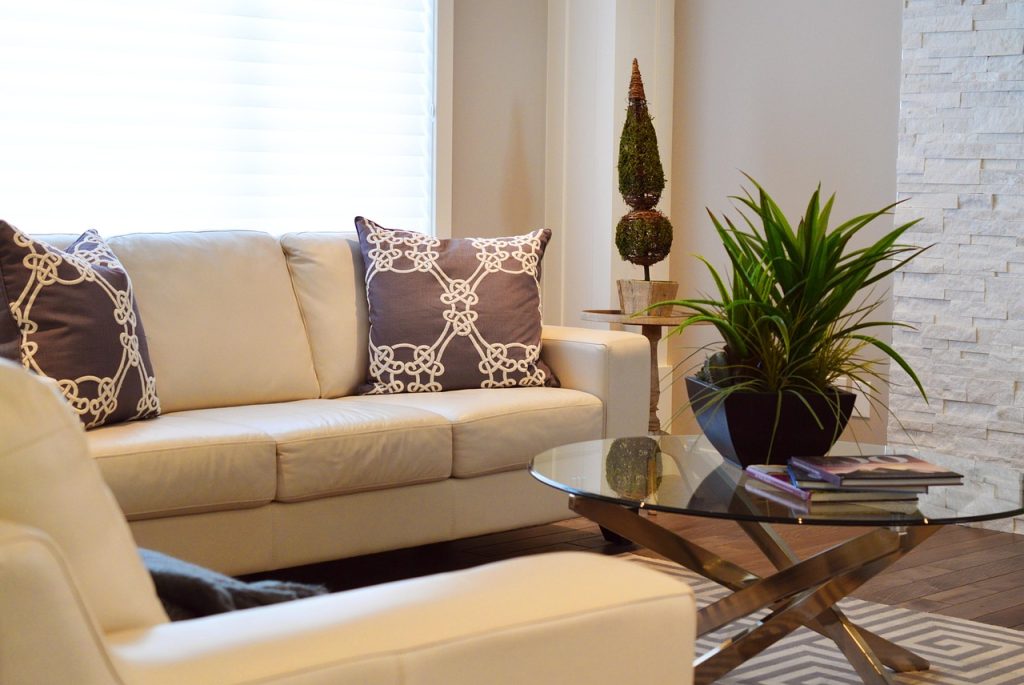
Each decor item should serve a purpose or enhance the aesthetic when every square foot counts. Instead of crowding your space with many small decorations, choose a few impactful pieces—like a statement lamp, a large piece of art, or a unique sculpture. Keep decor minimal but purposeful in your living room. Choose a few well-loved pieces that add meaning or function, like a cozy lamp, a bold painting, or a handcrafted vase. Avoid overcrowded shelves or surfaces. When every item has a reason to be there, the space feels calm, intentional, and truly lived-in, not just styled. Wall-mounted shelves or floating units can free up floor space and offer areas to display books, photos, or small plants while keeping surfaces tidy.
6. Think Vertically About the Living Room
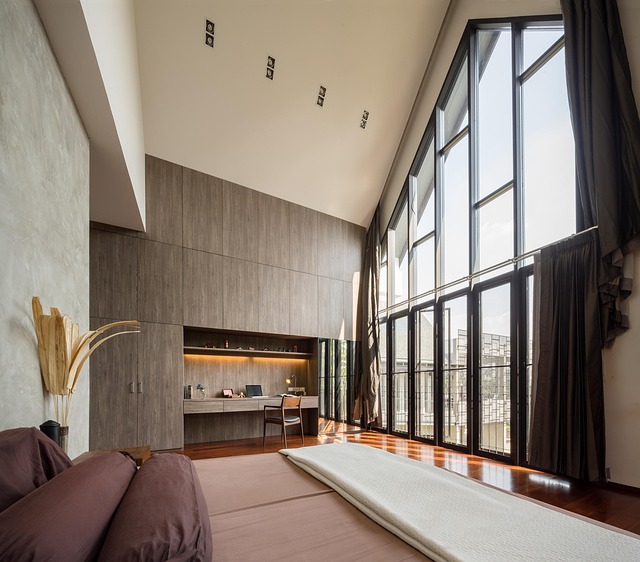
Think vertically when decorating your living room to make the most of your space. Use tall bookshelves, wall-mounted storage, or vertical art to draw the eye upward. Hanging plants or curtains closer to the ceiling can also add height and elegance. It’s not just about saving space—it’s about creating a room that feels open, balanced, and thoughtfully designed from floor to ceiling. You can also consider vertical storage options—built-in shelving or ladder-style shelves—to reduce clutter without sacrificing design. Maximize vertical space to create the illusion of height. Tall bookshelves, high-hung artwork, vertical paneling, or even floor-to-ceiling curtains draw the eye upward. This makes the room appear taller and more spacious.
7. Define Zones with Rugs in the Living Room
If your living room doubles as a dining space or work area, rugs can help define different functional zones. Choose a rug large enough to anchor the furniture in each zone to maintain visual cohesion. This helps separate areas without building physical dividers that would make the space feel smaller. Define zones in your living room with rugs to bring structure and flow. Use one rug under the seating area to anchor conversations, and another in a reading nook or play space. Rugs help break up open layouts without walls, making each area feel cozy and intentional. It’s a simple way to organize your space while adding warmth and style.
8. Incorporate Reflective Surfaces
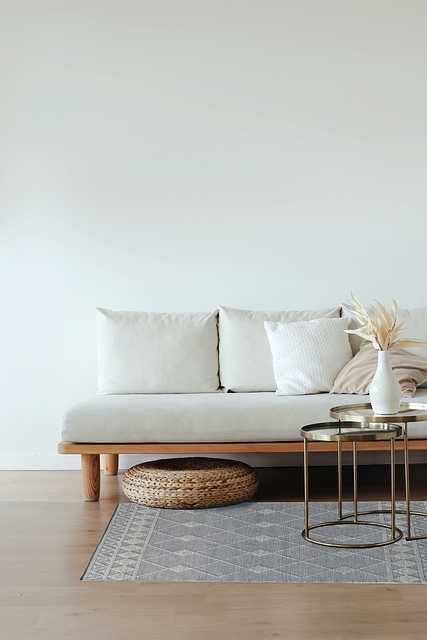
Reflective elements like mirrors, glass tables, or metallic finishes can give the illusion of more space. A glass coffee table, for example, doesn’t visually block the view, while a metallic lamp or frame can reflect light and add a modern touch. These subtle design elements help create a more open feel. Incorporate reflective surfaces in your living room to brighten and open up the space. Mirrors, glass tables, or metallic accents bounce light around, making the room feel larger and more alive. Place a mirror opposite a window to double the natural light. These subtle touches add elegance while keeping the room airy, modern, and full of quiet energy.
9. Declutter Regularly
Declutter your living room regularly to keep it feeling fresh and calm. Get rid of what you don’t use or love—old magazines, unused decor, random clutter. Keep only what adds value or beauty. A tidy space not only looks better but also makes you feel more relaxed and in control. Use clever storage solutions, like furniture with hidden compartments, decorative baskets, or cabinets with closed shelving, to maintain a tidy and organized space. Even the most beautifully decorated room can feel cramped if it’s cluttered. Keep surfaces clear and evaluate what’s truly necessary in the space. A good rule of thumb is the “one in, one out” method—every time you bring in a new item, remove something else.
10. Personalize with Intention in the living room
Living room with intention by choosing pieces that reflect your story—family photos, travel souvenirs, or heirloom furniture. Focus on meaningful items rather than clutter. Use colors, textures, and art that speak to your style and values. This creates a space that feels truly yours—warm, thoughtful, and deeply connected to who you are. Adding greenery is another great way to breathe life into the room. Choose small potted plants, a tall floor plant in a corner, or even hanging planters to enhance your space without using up valuable floor area. Your home should reflect your personality, but personal touches should be added thoughtfully in a small space. Moreover, choose a few meaningful pieces—family photos, travel souvenirs, or a favorite artwork—to add warmth and individuality without overwhelming the room.
Final Thoughts
In conclusion, decorating a small living room doesn’t mean sacrificing style or comfort. With strategic furniture choices, the right color palette, and thoughtful organization, you can create a space that feels welcoming, stylish, and far from cluttered. Remember, less is more—focus on intentional pieces, keep things organized, and let your style shine through in simple, effective ways. To make your living room truly attractive, focus on creating a space that feels warm, balanced, and personal. A thoughtful mix of lighting, textures, and meaningful decor adds character without clutter. Keep it clean, inviting, and reflective of who you are. When comfort meets style with intention, your living room naturally becomes a place people are drawn to.