How to make a study corner for kids is more than just setting up a desk and chair. It’s about creating a space where your child feels comfortable, focused, and inspired to learn. Moreover, In today’s world of distractions, a dedicated study corner can do wonders for building routine, encouraging creativity, and making homework time a lot smoother. Let’s explore how you can turn a simple corner of your home into a smart and motivating study zone for your little learner—without needing a big budget or a big room. Creating a study corner for kids isn’t just about furniture—it’s about giving them a space to focus, dream, and grow. A well-designed spot can inspire learning, build routine, and make homework feel less like a chore and more like progress.

1. Pick the Right Spot Study Corner for kids
The first step in making a study corner for kids is choosing the right location. Look for a quiet corner with natural light, away from noisy areas like the TV or kitchen. It doesn’t have to be a separate room—just a small, low-traffic spot where your child can focus. If space is tight, a corner of the bedroom or even a quiet hallway can work. What matters most is that it becomes “their” space—somewhere they associate with learning and concentration. Picking the right spot for a study corner is the first step to helping your child stay focused and motivated. A cozy corner in the bedroom or near a window in the living room can work well. What matters most is making the space feel special, just for them and their learning journey.
2. Use the Right Furniture Study Corner for Kids
When you’re figuring out how to make a study corner for kids, comfort is key. A table and chair that fit your child’s size will encourage better posture and longer focus. Avoid using adult chairs or high tables—they may look fine, but they’re not built for little backs. You don’t need anything fancy. A simple desk with drawers or open shelves works well. Add a cushion or adjustable chair that supports your child’s posture during study time. Choose pieces with storage for books and supplies to keep things tidy. It doesn’t have to be fancy—just functional, cozy, and inviting, so your child feels comfortable and eager to sit down and learn.

3. Focus on Good Lighting for kids
Poor lighting can strain the eyes and make study time tiring. Make sure the study corner is well-lit with both natural and artificial light. A window nearby is great during the day, and a good table lamp is a must for evening use. Choose warm white LED bulbs to avoid harsh glare. If your child likes reading, consider a clip-on light or a lamp with flexible positioning. Good lighting is key to a productive study corner. Natural light boosts mood and energy, so set up near a window if possible. Add a soft desk lamp for evening use. Proper lighting reduces eye strain and helps your child stay focused, making study time more comfortable and enjoyable.
4. Declutter and Organize
A cluttered space leads to a cluttered mind. Keep the study area tidy and well-organized. Use pencil holders, small drawers, or hanging organizers for school supplies. Clear bins with labels can hold craft items, notebooks, and other tools. You can also hang a corkboard or whiteboard on the wall for reminders, weekly schedules, or fun motivational quotes. Keep things simple—less is more when it comes to helping kids focus. A clean, organized study space helps kids think clearly and stay on task. Remove unnecessary items and use simple storage like bins, shelves, or baskets for supplies. When everything has a place, your child won’t waste time searching. A tidy corner encourages a calm mind and better focus every day.
5. Let Kids Decorate Their Space
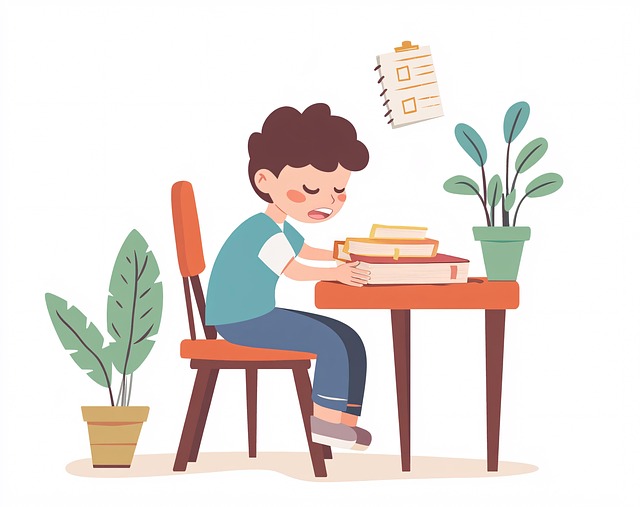
To make the space truly theirs, let your child help decorate it. Add a favorite poster, a small plant, a DIY nameplate, or their own artwork. This gives them a sense of ownership and pride in their space. You can also create a little reward zone—a small box with stickers, tiny treats, or fun stamps that they can use after completing tasks. Letting kids decorate their study corner gives them a sense of ownership and pride. Allow them to choose colors, posters, or fun stationery that reflect their personality. When the space feels like theirs, they’re more likely to enjoy spending time there, turning study time into something positive and personal.
6.Avoid Noise and Toys Nearby
If your child’s study corner is near noisy areas or full of toys, it will be hard for them to stay focused. Remove electronic distractions like tablets (unless needed for learning), turn off the TV, and keep the area away from toys or games. You can also use noise-canceling headphones if your home tends to be busy or if you live in a noisy neighborhood. Keeping the study corner free from noise and toys helps your child concentrate better. Choose a spot away from TVs, loud siblings, or play areas. Limiting distractions makes study time more effective. When the space is calm and quiet, it’s easier for kids to focus, learn, and build good habits.
7. Create a Simple Study Routine
Even the best corner won’t help if there’s no routine. Sit down with your child and create a daily or weekly study schedule. Keep it short and flexible—especially for younger kids. Break tasks into chunks, allow for short breaks, and always include praise or a fun activity after study time. A routine builds habit, and the study corner becomes a familiar, non-stressful space. As a result, keeping the study corner free from noise and toys helps your child concentrate better. Choose a spot away from TVs, loud siblings, or play areas. Limiting distractions makes study time more effective. When the space is calm and quiet, it’s easier for kids to focus, learn, and build good habits.
8. Make It Adaptable Study Corner For Kids
Your child’s learning needs will grow with time. Also, leave space for updates—like a larger desk, a bookshelf, or a more advanced study lamp. Even rotating decorations based on the school subject they’re learning can keep the corner fresh and engaging. Think of the study corner as a living space that evolves with your child. A simple study routine helps kids know what to expect and builds good habits. Set a regular time each day for studying, with short breaks in between. Keep it light and flexible. When children follow a steady routine, they feel more confident, organized, and ready to tackle their schoolwork calmly.

Final Thoughts
In conclusion, how to make a study corner for kids isn’t about spending money—it’s about thoughtful planning. A dedicated, comfortable, and inspiring space can help your child take learning seriously while still feeling supported and at ease. With a little creativity and care, you can transform even the smallest corner into a powerful learning hub. Creating a study corner for kids is about more than desks and chairs—it’s about building a space where they feel encouraged, focused, and proud. With the right spot, lighting, organization, and personal touches, you give your child a quiet place to grow, explore, and dream. Keep it simple, cozy, and adaptable. When kids love their space, learning becomes less of a task and more of a joyful, daily habit.
Remember: what matters most is consistency, comfort, and encouragement. When your child sees their study space as a positive place, learning becomes more natural—and even fun.