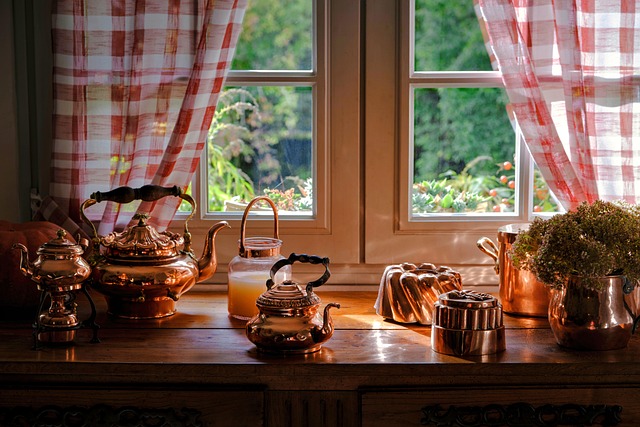

Cookware material plays a crucial role in every kitchen, influencing not only how your food cooks but also the flavor, safety, and longevity of your meals and tools. Choosing the right cookware material depends on your cooking style, budget, and maintenance preferences. Stainless steel is durable, non-reactive, and great for searing, but it doesn't conduct heat well without a copper or aluminum core. Cast iron retains heat excellently, ideal for slow cooking, but requires seasoning and care. Non-stick pans are convenient for low-fat cooking, but wear out over time. Copper offers precise temperature control but is expensive and needs polishing. Aluminum heats quickly but dents easily and may react with acidic foods unless coated. Consider long-term use, compatibility with your stove, and ease of cleaning before deciding. But let’s get back to basics. Here’s what you need to know when choosing the best cookware material for your kitchen.
1. Stainless Steel(cookware material) – Durable and Versatile
In cookware materials, Stainless steel is one of the most reliable, long-lasting materials you can choose. As a result, it’s non-reactive, so it won’t alter the taste or color of acidic foods like tomatoes or vinegar-based sauces. Stainless steel is one of the most popular and reliable cookware materials, valued for its durability, non-reactive surface, and sleek appearance. It doesn't rust, chip, or stain easily, making it a long-lasting option for any kitchen. While stainless steel alone is a poor heat conductor, many high-quality pans feature an aluminum or copper core to improve heat distribution. It's excellent for browning, searing, and deglazing, as it can withstand high temperatures without warping. Overall, stainless steel is also dishwasher-safe and doesn’t require special maintenance like cast iron. While more expensive than aluminum, it’s a worthwhile investment for serious home cooks seeking a low-maintenance, professional-grade option.
.
2. Iron cookware material
Iron cookware material, especially cast iron, has stood the test of time as a traditional favorite in kitchens around the world. Known for its exceptional heat retention and even cooking, it’s ideal for slow-cooked meals, frying, and baking. Unlike modern materials, cast iron develops a natural non-stick surface over time when properly seasoned. Moreover, it's incredibly durable—many families pass down cast iron pans through generations. On the downside, cast iron is heavy and heats up slowly, but once hot, it holds temperature well. It’s perfect for open flames, ovens, and stovetops alike. In an age of convenience, iron cookware reminds us of the value of patience, tradition, and well-prepared meals cooked the old-fashioned way. Cast iron cookware has stood the test of time.
3. Non-Stick cookware material – Easy to Use and Clean
Non-stick cookware is a popular choice for everyday cooking due to its ease of use and simple cleanup. Coated with materials like Teflon or ceramic, these pans prevent food from sticking, making them ideal for cooking eggs, pancakes, or delicate fish with minimal oil. As a result, they support healthier, low-fat meals. In addition, non-stick surfaces reduce the time spent scrubbing, which is perfect for busy households. However, they are less durable than other materials and can scratch easily if metal utensils are used. Overheating may also damage the coating, so low to medium heat is recommended. While some modern non-stick pans are dishwasher-safe, handwashing extends their life. They're lightweight and easy to handle, making them especially useful for beginners or anyone seeking convenience in the kitchen. Overall, non-stick cookware offers a balance of functionality and simplicity, but it requires proper care to maintain its non-stick performance.
Pros:
- Requires very little oil or butter
- Food doesn’t stick—great for delicate ingredients
- Quick and easy cleanup.
Note: Always check that the coating is free from PFOA and other harmful chemicals.
4. Copper cookware material – The Precision Performer
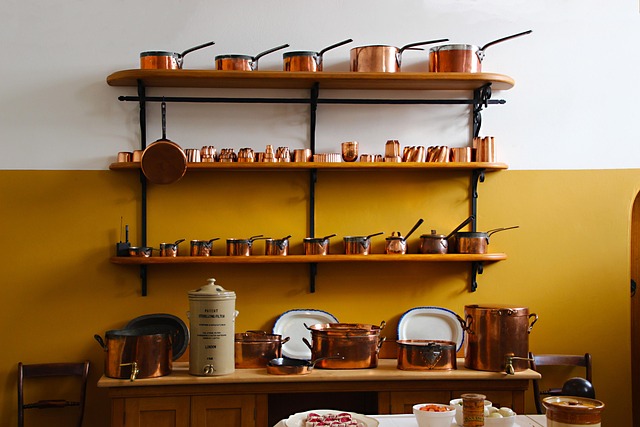
Copper cookware material is prized by professional chefs and serious home cooks for its unmatched precision in heat control. As one of the best heat conductors, copper responds quickly to temperature changes, allowing for exact cooking, perfect for delicate sauces and temperature-sensitive dishes. This level of responsiveness makes it a top choice in gourmet kitchens. However, copper is a reactive metal, meaning it can alter the taste of acidic foods and tarnish over time. For this reason, most copper cookware is lined with stainless steel or tin to create a safe, non-reactive cooking surface. While visually stunning, copper requires regular polishing to maintain its bright, lustrous appearance. It’s also more expensive than other materials, and not suitable for induction stovetops unless modified. Despite these drawbacks, copper cookware offers professional-level performance and timeless appeal.
5. Lightweight and Affordable aluminum cookware material
Aluminum cookware is widely used for its excellent heat conductivity and affordability. Because it’s often used in the core of stainless steel cookware or anodized form. As we know, Aluminum cookware is known for being lightweight, affordable, and an excellent heat conductor. It heats quickly and evenly, making it ideal for everyday cooking. Though prone to scratching, anodized versions offer improved durability and reduce the risk of metal leaching.
Cons:
- Reacts with acidic and alkaline foods unless anodized
- Soft and can warp over time
- Scratches easily
Best For: Budget-conscious cooks or those looking for lightweight pans. Opt for hard-anodized aluminum for better durability and non-reactive performance.
6. Ceramic cookware material – The Health-Focused Choice
Ceramic-coated cookware has gained popularity among health-conscious cooks looking to avoid synthetic non-stick chemicals. Ceramic cookware is a health-conscious choice, free from toxic chemicals like PTFE and PFOA. It provides nonstick performance without harmful coatings, making it safer for cooking. Resistant to stains and odors, ceramic is easy to clean and doesn’t leach metals into food—ideal for those prioritizing wellness and clean eating.
Pros:
- Naturally non-stick without synthetic coatings.
- Non-reactive and toxin-free
- Often more eco-friendly
Cons:
- Not as durable—coating may chip or wear with time
- Prone to cracking if dropped
- Limited tolerance to high heat
Best for: Low- to medium-heat cooking. It is great for quick meals, sautéing vegetables, and users who want non-toxic cookware.
Mix and Match: You Don’t Need Just One Material
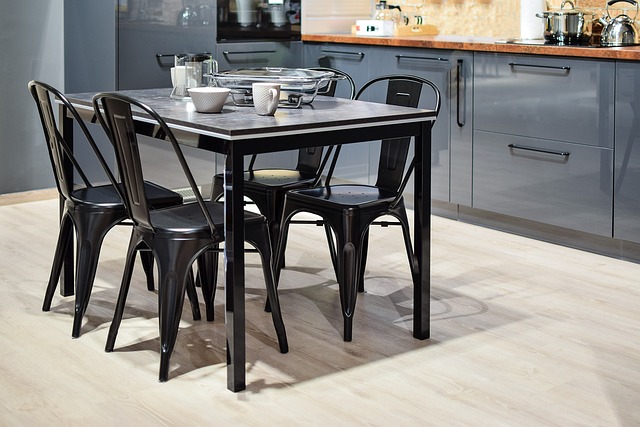
Cookware material can limit creativity and impact. Mixing materials—like wood, metal, glass, and stone—adds texture, contrast, and personality to any space. A wooden dining table paired with metal chairs, or a marble countertop against rustic cabinetry, creates visual interest and depth. This approach isn’t just about aesthetics; it’s practical too. Each material has strengths—durability, warmth, shine, or sturdiness. Don’t be afraid to combine styles and finishes. Mixing materials gives you freedom to create a space that’s uniquely yours—balanced, beautiful, and anything but boring. As a result, each material has its strengths and limitations, so the best approach is to mix and match based on your cooking style. Here’s a simple starter combo:
- Stainless steel sauté pan – for everyday tasks
- Cast iron skillet – for steaks, baking, and long-cooked dishes
- Non-stick frying pan – for eggs, pancakes, and delicate foods
- Enameled cast iron Dutch oven – for soups, stews, and baking bread
Additionally, this combination covers nearly every home-cooked meal, giving you durability, performance, and convenience.
Final Words: Choose with Intention, Not Hype
In conclusion, Cookware should serve your needs, not your Instagram followers. Choose materials that are proven, practical, and durable. Don’t fall for gimmicks. A well-chosen pan can serve you for decades. Think long-term. Buy what you’ll use. Respect the classics, and don’t underestimate quality craftsmanship. Each material has its unique strengths, from the durability of stainless steel to the heat retention of cast iron or the convenience of non-stick surfaces. By understanding the pros and cons of each, you can make a smart investment that matches your cooking habits and kitchen goals. In the end, the best cookware material is the one that fits your lifestyle and helps you enjoy the cooking process every day.