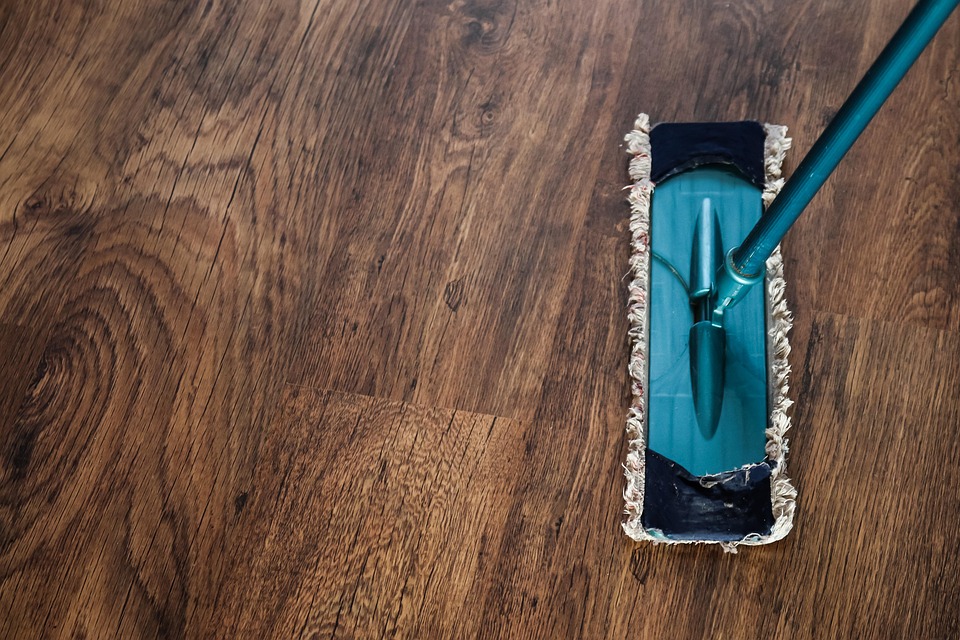
Mopping is an essential part of household cleaning. It can significantly enhance the appearance and hygiene of your living space. A well-mopped floor not only looks great but also helps to remove dirt and bacteria that can collect over time. This article will guide you through the process of mopping your house effectively. Mopping your house might seem simple, but doing it correctly makes all the difference between just moving dirt around and achieving a truly clean floor. It’s an essential part of home maintenance that not only improves the appearance of your space but also promotes hygiene by removing bacteria, spills, and dust that sweeping alone can’t handle. Whether you're dealing with tile, hardwood, or laminate, knowing the right mopping technique, tools, and cleaning solutions is key.
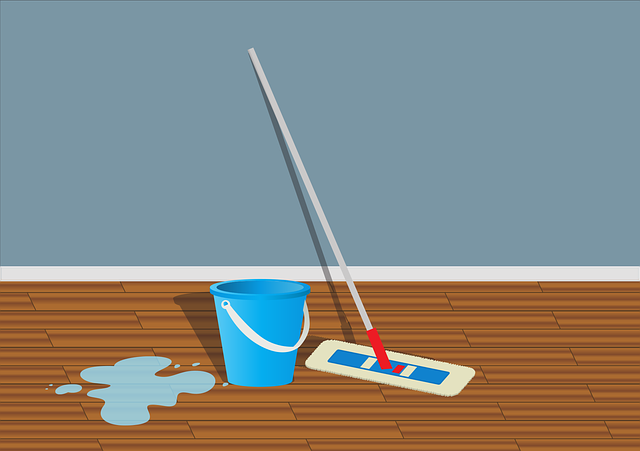
Understanding the Importance of Mopping the House
Before you dive into the how-to, it's important to understand why mopping is crucial. Floors accumulate dust, dirt, spills, and pet dander, which can lead to allergies and health issues. Mopping is more than just a chore—it's a critical part of maintaining a clean, healthy home. Floors collect dust, dirt, bacteria, and allergens daily, and sweeping alone doesn’t remove the grime that builds up. Regular mopping eliminates these hidden threats, helping to prevent illness and allergic reactions, especially in homes with children or pets. It also preserves the quality of your flooring, whether it’s tile, wood, or laminate, by removing abrasive particles that cause scratches and wear. Beyond hygiene and longevity, a freshly mopped floor simply feels better—clean, fresh, and inviting. Understanding the importance of mopping helps turn this task into a habit that protects your health and keeps your home looking its best. Regular mopping can:
- Improve Indoor Air Quality: By removing dust and allergens, you create a healthier atmosphere.
- Enhance Aesthetic Appeal: Clean floors contribute to the overall cleanliness and beauty of your home.
Types of Flooring and Their Care
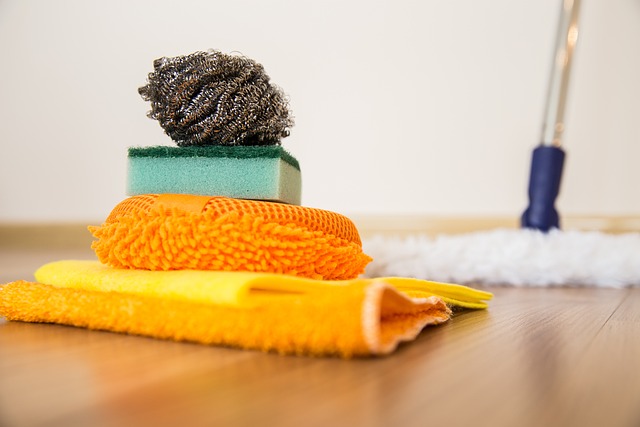
There are several types of mopping methods, each suited for different cleaning needs. Traditional string mops are absorbent and great for deep cleaning, but require thorough rinsing and regular washing to prevent bacteria buildup. Sponge mops are ideal for smooth surfaces and need to be cleaned and dried completely after use to avoid mildew. Flat mops, like microfiber pads, are perfect for daily cleaning and quick touch-ups; their reusable pads should be washed after each use. Spray mops are convenient and best for light cleaning, but should be regularly checked for clogs and cleaned properly. No matter the type, proper care—like drying, washing, and storing mops upright—extends their life and ensures hygienic, effective cleaning every time.
Tools and Supplies Needed for Mopping the House
Before you start mopping, you need to gather the necessary tools:
- Mop: You should choose between traditional string mops, sponge mops, or microfiber mops, depending on your preference and floor type.
- Bucket: A standard mop bucket will do your cleaning easily, but one with a wringer makes your job easier.
- Floor Cleaner: Select a cleaner suitable for your flooring type. You can create a DIY cleaner using vinegar and water or a few drops of dish soap.
- Broom and Dustpan or Vacuum: For initial cleaning to remove waste. Vacuum is a good cleaner.
- Microfiber Clothes: These clothes are useful for spot cleaning or drying.
Preparing Your Space

Before you start mopping, it's crucial to prepare your space properly:
- Clear the Area: Remove furniture, rugs, and any obstacles from the floor you intend to mop.
- Dust and Sweep: When you sweep or vacuum the floor to remove loose dirt, hair, and debris. This step prevents dirt from turning into mud when you mopped.
The Mopping Process
Now that you’re prepared, follow these steps for an effective mopping session:
- Mix Your Cleaning Solution: Follow the manufacturer’s instructions for your chosen cleaner. If you using a DIY solution, a common ratio is one cup of vinegar to a gallon of water.
- Wet the Mop: Dip your mop into the cleaning solution and wring it out until it's damp but not dripping. Excess water can damage some floor types, especially hardwood floors.
- Rinse Frequently: When you mop, you can see the mop becomes dirty, rinse it in the bucket, wring it out, and dip it back into the cleaning solution. This ensures you're not just spreading dirt around.
- Spot Clean: For stubborn stains or sticky spots, use a microfiber cloth or sponge to apply a bit of cleaner directly to the area and scrub gently.
Post-Mopping House Care
Once you’ve finished mopping, take a few extra steps to maintain your clean floors:
- Replace Furniture Carefully: When you move furniture back into place, you should consider placing felt pads under the legs to prevent scratches.
- Store Your Tools Properly: Clean your mop and bucket, allowing the mop to dry thoroughly to prevent mildew.
- Regular Maintenance: Establish a regular mopping schedule based on your home’s needs. High-traffic areas may require weekly cleaning, while other areas can be mopped bi-weekly or monthly.
Conclusion
Mopping your home doesn’t have to be a daunting task. With the right tools, techniques, and a little practice, you can keep your floors looking pristine and contribute to a healthier living environment. Remember that consistency is key. In a world that often rushes past the basics, taking the time to mop properly reminds us of the importance of diligence and pride in our living spaces. Clean floors aren't just about hygiene—they're a mark of respect for the home and the people who live in it. By integrating mopping into your regular cleaning routine, you’ll ensure that your home remains not only beautiful but also safe for you and your family. Happy mopping